Karolina Bianchi: Theather's False Moralasing
Borka Golubović-Trebješanin
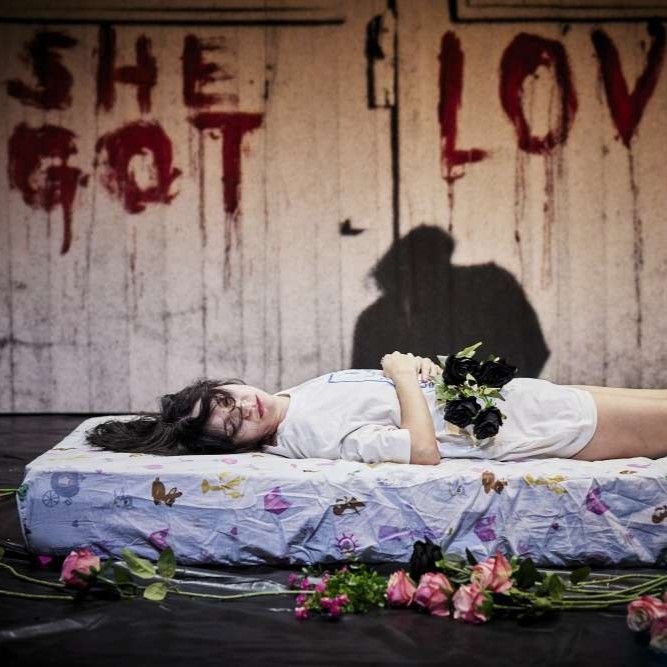
Trilogy The Power of the Bitch – First Chapter: The Bride and Goodnight Cinderella" by Karolina Bianchi and her dance troupe "Cara de Cavalo" from Brazil is the tenth and final premiere of 58th BITEF festival.
Brazilian theater author Karolina Bianchi lives and works in Amsterdam and drew attention to herself on the theater scene in July of last year with the premiere of the first chapter of the mentioned trilogy at the Avignon Festival. The controversial Bianchi and her troupe embarked on a major tour, which brought them to Belgrade.
"I was in Belgrade in 2021 as a resident, invited by Andrej Nosov and the Pride Festival, which I mention a bit in the first part of this play. For me, this encounter was very intense, a lot of things in that story touched me on a deep, personal level. It’s also significant to me that Marina Abramović is from there and worked there for a long time, as well as the fact that the Balkans were part of the route for the performance of Pippa Bacca, which I talk a lot about in the play. I’m very interested in getting to know the Belgrade theater scene and literature better," says Karolina Bianchi for "Politika," reflecting on the slogan of this year’s 58th BITEF: "Beauty (won’t) save the world":
"I have nothing against the slogan, of course. It would just be hard for me to 'pack' the whole play into such a format. What I can say is that the use of parentheses is very interesting. That negativity. I don’t believe in any kind of salvation. Not just beauty—nothing can save anything, especially not the whole world. However, I do believe that art can help make existence less impossible. That’s what I believe in."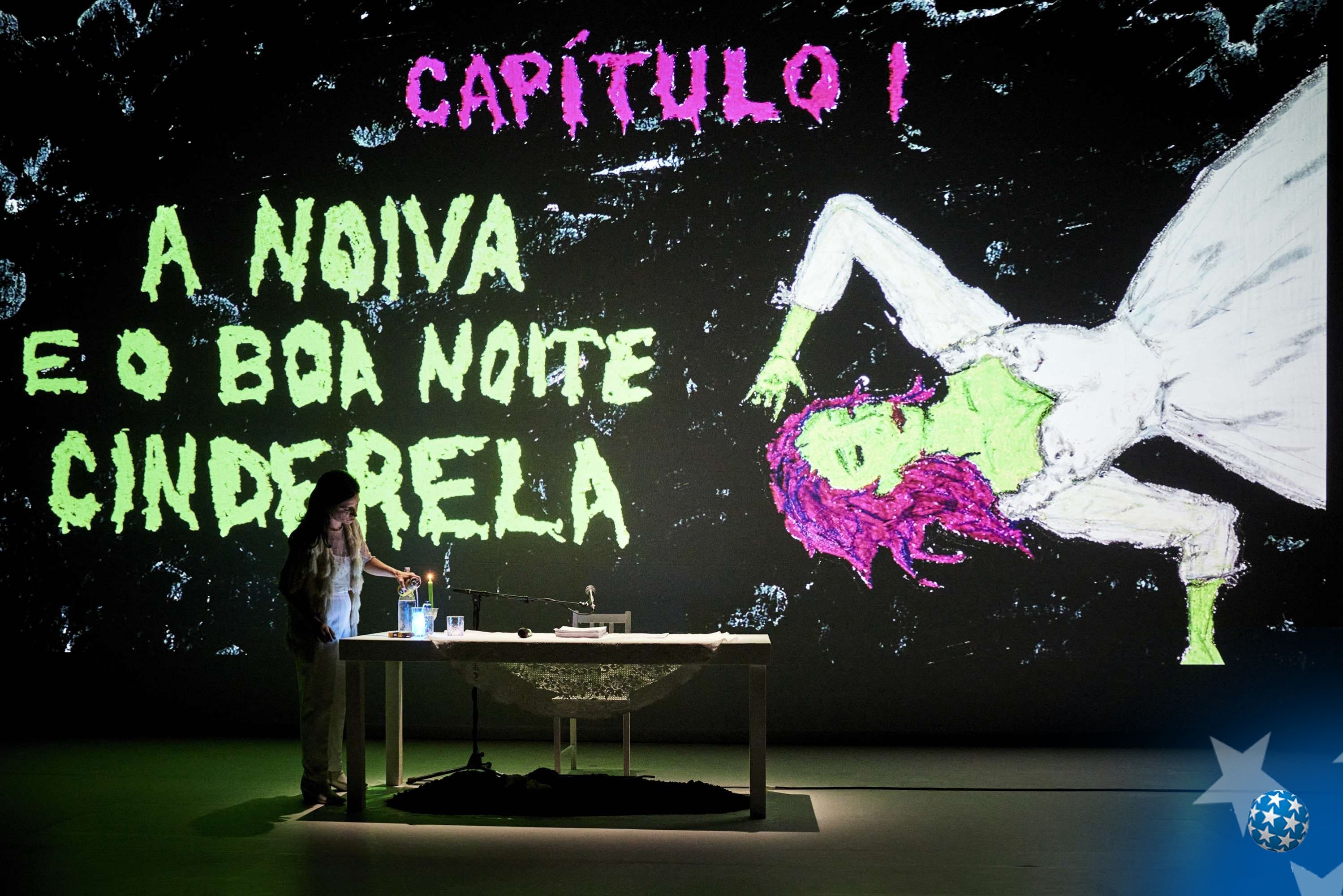
The most exciting part of working on "The Power of the Bitch" is the author’s radical approach to the theme of sexual violence. Starting with the story of rape through the prism of art history, from painting to performance art, Karolina Bianchi takes it even further...
"Actually, the title ‘The Power of the Bitch’ in translation doesn’t establish a relationship between those two words. Power doesn’t describe the second word qualitatively. Rather, they’re two separate words in a loose connection that may or may not be related, like a break, alien to both the ear and the possibility of translation. I think that says a lot about the play, about the fact that it’s a trilogy, where chapters are connected by parts but also distinguished and completely separate. I can say that there’s a lot hidden, ‘buried’ behind this play, and so the play itself is like that: buried, things that resurface, reemerge but lack the awareness to see them in their entirety or completeness," explains Karolina Bianchi. About how she feels in her own skin, she says:
"Of course, I’m thrilled to be able to work and show my work alongside people who are extremely important in my life. Sixteen of us colleagues are on this tour, so it’s really wonderful for me. However, I also feel a lot of pressure about the upcoming performances, but I try not to focus on that, and instead on what really matters, in terms of exploring and creating this piece. Since I write, and writing is at the core of my expression, there’s also a lot of solitude. That’s part of the process, though, as Marguerite Duras would say: one can only write in complete solitude."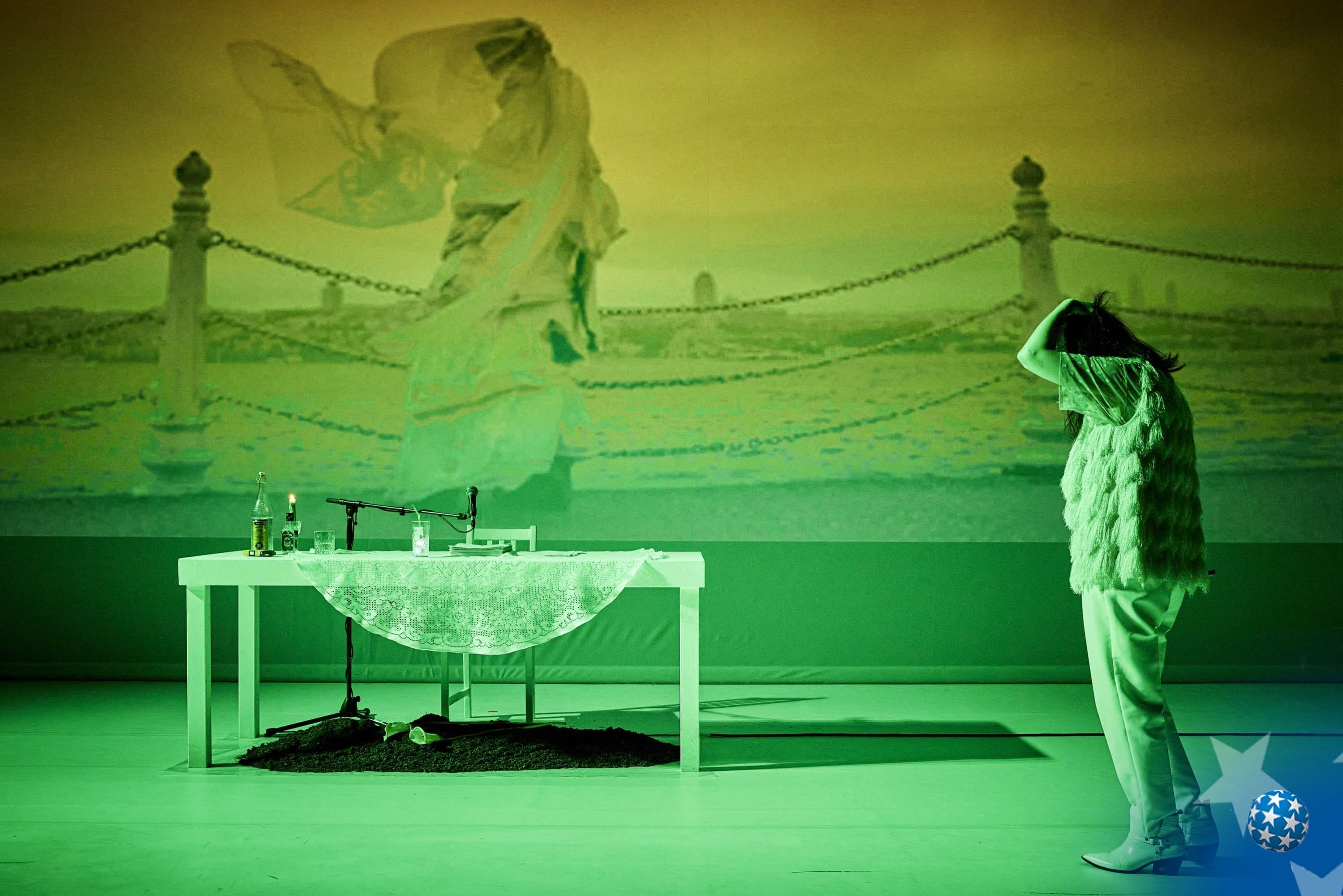
The starting point, Karolina Bianchi notes, was her obsession with the story of Italian artist Pippa Bacca, who was raped and killed during a performance she was involved in in 2008. After that, she studied performance art a lot, particularly the works of female authors over the last few decades, especially concerning the different ways they addressed the theme of sexual violence.
"That’s how it all started, but I can also say it started even earlier, much earlier..." she adds.
This lecture-performance by Karolina Bianchi transforms into a dance performance that represents a thoughtful, brave, and authentic work. Theater lovers mention it as a kind of artistic manifesto dedicated to surviving trauma.
"For me, the second part of the play is actually highly theatrical. There’s a lot of dance and movement research, which is always the case when working with the ‘Cara de Cavalo’ collective. In fact, many of their performers have dance and choreographic experience. Still, I insist that what we do together is theater because that’s the language I navigate and am obsessed with. The play itself is precisely the opposite of overcoming trauma. I don’t think that’s the point. I think trauma is present and it moves, changes, throughout our journey through existence, but it’s not something that gets resolved. The ‘Power of the Bitch’ trilogy doesn’t try to resolve anything. The play tries to embrace complexity, the things we cannot solve. Speaking about sexual violence means accepting that we’re engaging in uncomfortable conversations," says our interviewee.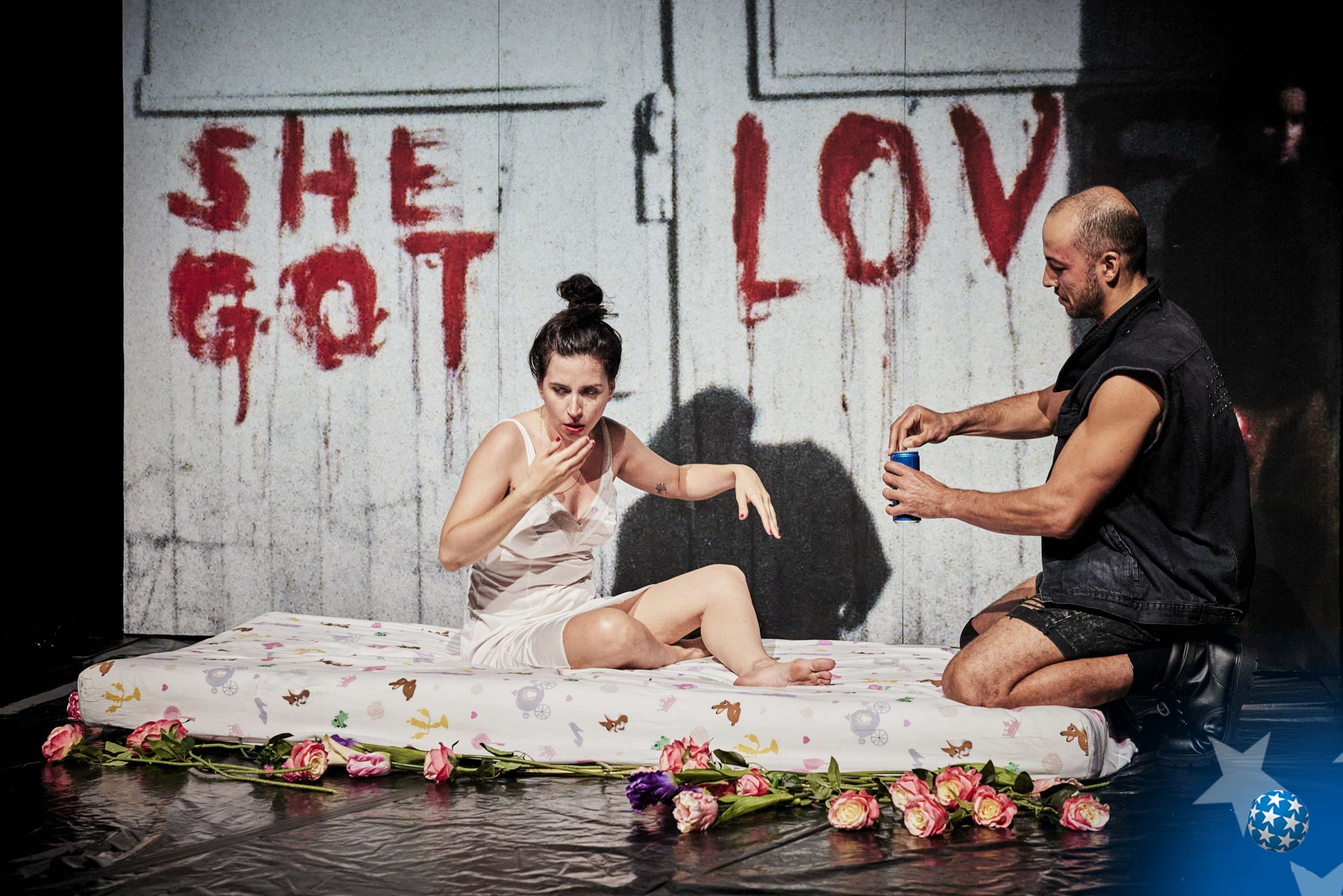
What are her next artistic horizons? When asked how she sees the future of theater, she answered:
"I’m currently working on the second chapter of the trilogy, which will premiere in Brussels next May. As for the future of theater, I don’t know what it will be, because I don’t know what the future of humanity will be. It’s very difficult. What I can say is that there’s a heavy moralizing presence in theater art right now. I see a lot of performances where the trendy theme is much more important than what is done and how that theme is talked about on stage, with a nervous obligation to please the audience. There are so many trigger warnings that try to protect all the things art cannot protect. I think no interesting theater can emerge from restrictive rules, from rules that prevent complexity. We’ll see what happens."
Published on the site Politika.rs, October 4, 2024.
On the Author
Carolina Bianchi is a Brazilian theatre maker, writer and performer, based in Amsterdam since 2020. In her work in theater, theory and practice are inseparable, and her choice to work with numerous casts and different aspects of chorality is recurring. Her works depart from a crisis perspective to launch confabulations about gender, sexual violence and art history. Her staging is a combination of different references from literature, cinema and painting, filled with musical mashups, and a constant confrontation with everything that seems to be an absolute truth. She is the director of the collective CARA DE CAVALO from São Paulo, with whom she created the plays: Trilogia Cadela Força (The Cadela Força Trilogy) - 2022/25; O Tremor Magnífico (The Magnificent Tremor) - 2020 and Lobo (Wolf), currently working in the CADELA FORÇA TRILOGY, which Chapter I premiered in the frame of the Festival d’Avignon 2023.
Dina Bajrektarević: On Conversion Practices
The first study on conversion practices in Serbia shows that they are most often carried out within families, educational institutions, and informal communities, frequently under the guise of care, counseling, or assistance.
Miloš Lolić: There Will Be a Bitef, but a Guerrilla One
If we find a suitable venue, this will almost certainly happen, and with that the vision my team and I have long hoped for will be fully realized—a free, libertarian Bitef.
Klara Vlasakova: The End of the World, the End of Imagination
One of the many fine events prepared by the Czech Center in Belgrade was the visit of Klara Vlasakova, a young Czech writer, playwright, publicist, and author of film scripts, as well as radio plays and comics.