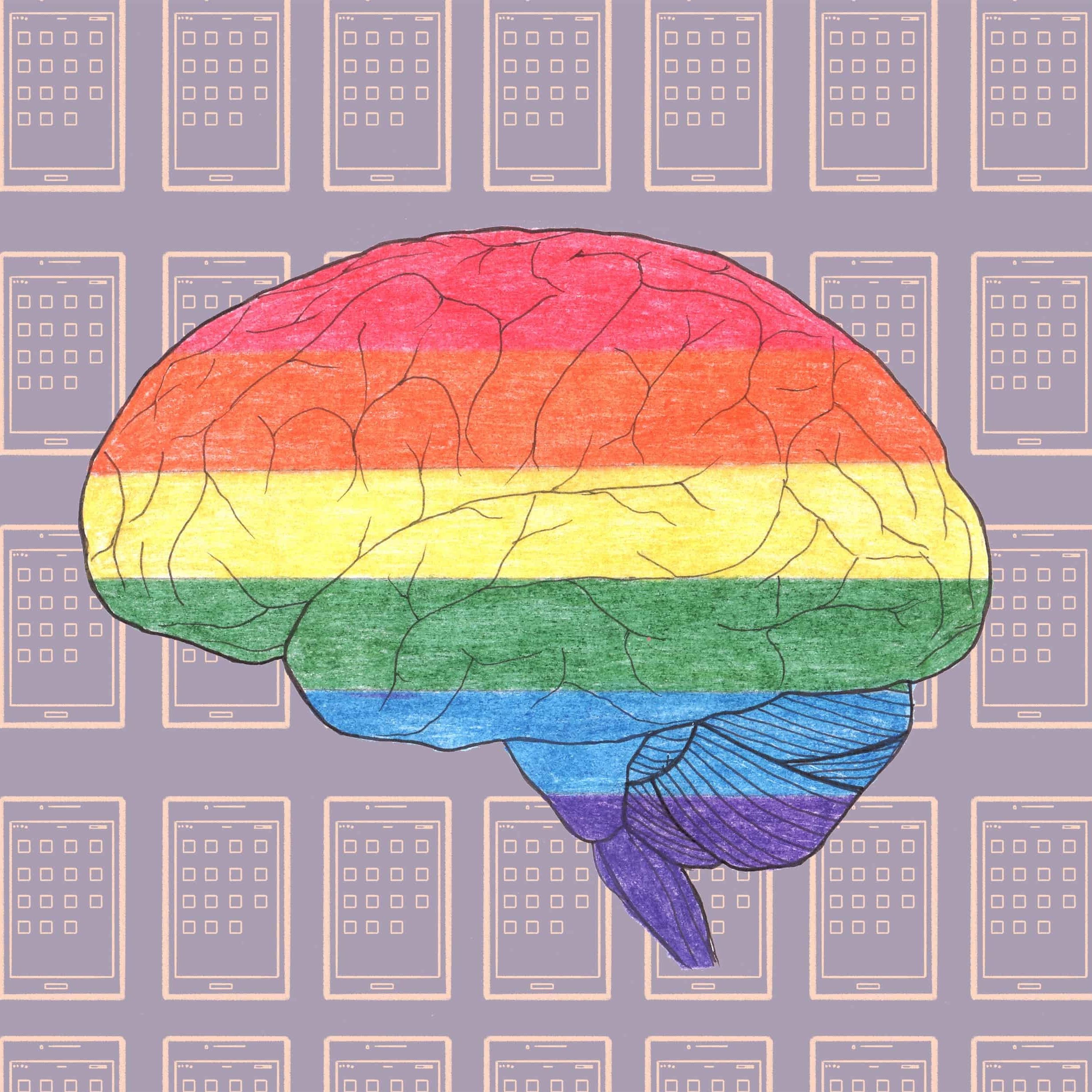
Dead Inside, But Still Horny!
CQS
An Open Discussion on Dating in the Age of Grindr, Hookup Culture, and Mental Health
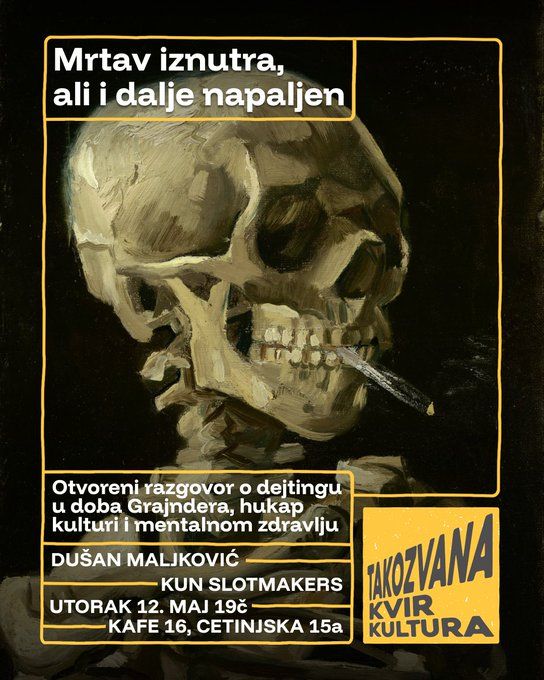
TUESDAY, May 12, from 7 PM
KAFE 16, Cetinjska 15a, Belgrade
The discussion will be led by:
Koen Slotmakers, Lecturer in International Politics at City St George’s, University of London
Dušan Maljković, Center for Queer Studies.
The discussion starts from the observation that contemporary young people increasingly shape their sexual preferences and expectations through widely accessible pornography, which functions as an apparatus of sexual education embedded within the exploitative capitalist industry of endlessly reproducible pornographic commodities. At its very core lies a structural reduction of intimacy: sexual encounters become standardized through a repetitive script — oral sex, anal sex, ejaculation — whereby erotic experience is reduced to bodily stimulation, stripped of relational depth, emotional exchange, and love.
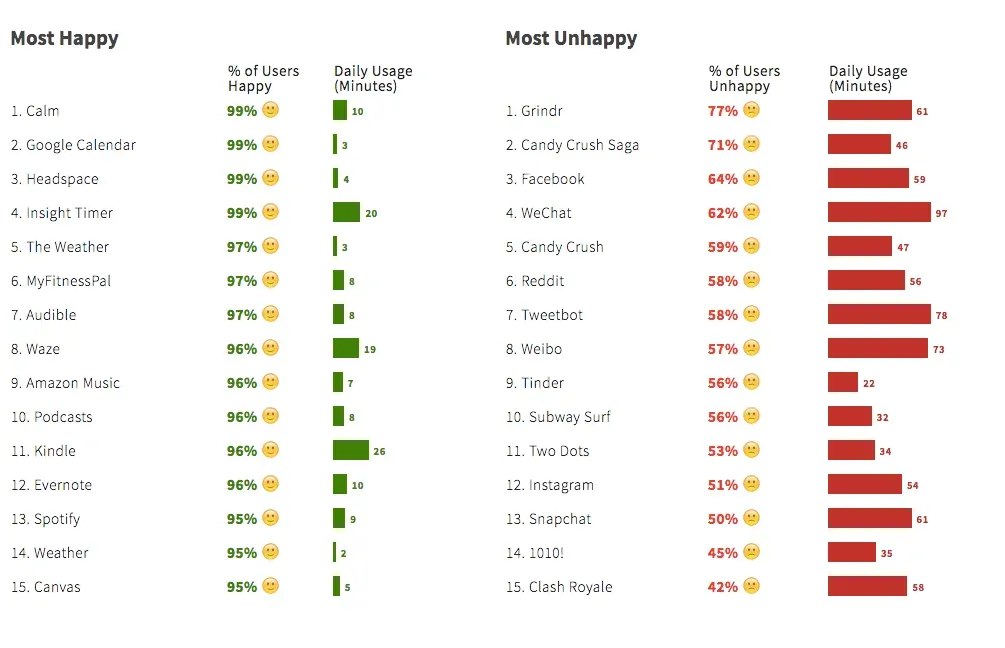
Within such a model, the connection between sexuality and love becomes progressively dismantled, turning sex into a form of compulsive gratification analogous to addiction. The demand for ever more intense stimulation continues in digital environments, particularly through platforms such as Grindr — a paradigmatic infrastructure of hookup culture — as well as through the use of psychoactive substances in so-called “chemsex” practices. These dynamics produce behavioral patterns with significant negative consequences for mental health, including anxiety, depression, cycles of addiction, and social isolation, but also more extreme outcomes such as institutionalization (psychiatric treatment, imprisonment) or even suicide.
The discussion further takes into account that the causes of this condition cannot be understood outside the historical continuity of homophobia, both before and after the global gay revolution. Although queer people today are partially liberated from discrimination and have gained certain civil and human rights, this process has often been accompanied by integration into the market logic of capitalism, where freedom is increasingly reduced to the ability to consume products, bodies, and services in accordance with one’s purchasing power. Instead of a collective politics of liberation, the dominant model becomes individualized hedonism and market-mediated sexuality, in which emotional emptiness is often compensated for through the intensification of sexual experiences, digital validation, and consumption.
As a possible response to this crisis, the discussion raises the question of returning to the initial dimensions of queer movements, especially their anti-capitalist and anti-racist traditions, which connected sexual liberation with broader social transformation and solidarity. At the same time, it points to the need for developing a different ethics of intimacy: even within hookup encounters, it is possible to establish relationships based on empathy, care, mutual respect, and ethical responsibility, rather than on the instrumentalization of others, narcissism, and self-interest.
The "So-called Queer Culture” is a program of the Queer Choir Belgrade through which we collectively search for the meaning of queerness and its place in society.
Protocol of Selective Visibility
Marking twenty-five years since the first attempt to organise a Pride Parade in Belgrade (2001–2026).
Queer Studies 2026
Lecture announcements for the first semester.
Queer Studies 2026. First semester.
In the 2026 academic year, Queer Studies will once again be a two-semester course consisting of 24 lectures, held at the Institute for Philosophy and Social Theory.